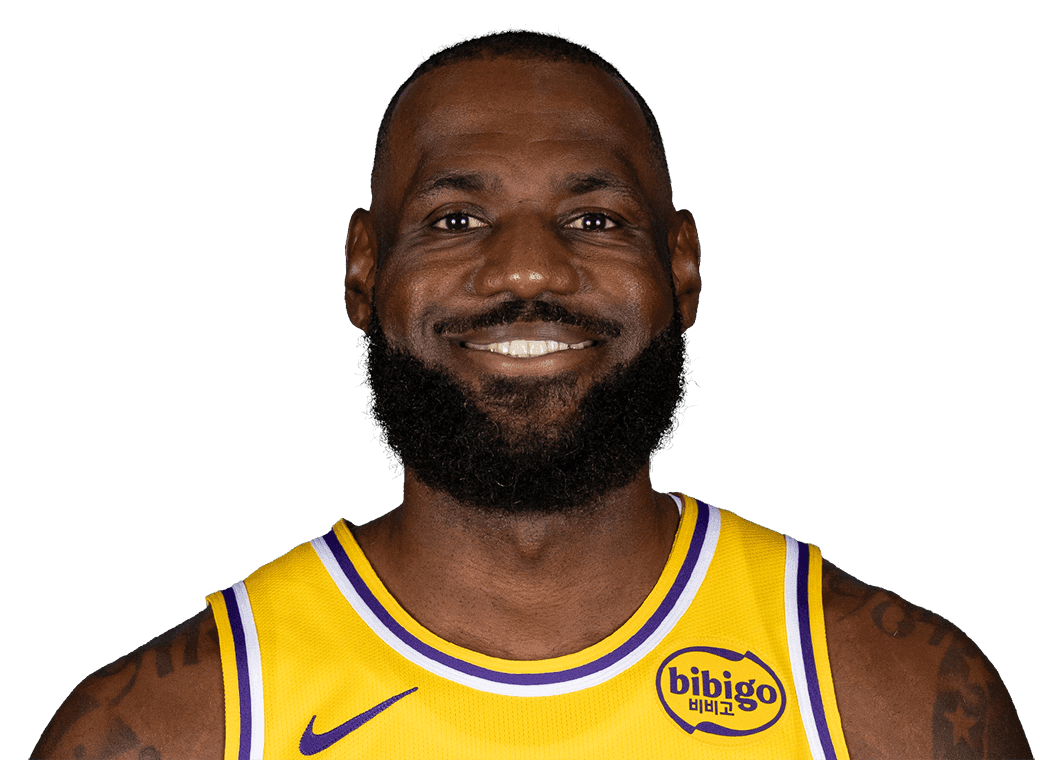


Ringchasers
They left to win.
Did it actually make them greater?
A championship can change a resume. It does not always change a legacy.
Not every star who leaves is a ring chaser. But every ring chaser makes the same bet.
Leave the harder path. Join the better one. Win enough that history forgives you.
FRANCHISE STAR
The centerpiece. The promise.
DEPARTURE
The break. The bet.
STRONGER CONTENDER
The shortcut. The odds.
JUDGMENT
The ring. The legacy.
Every chase gets judged by four things.
The move. The result. The shadow. The resolution.
THE CHASE
How aggressive was the shortcut?
The distance traveled. The bridge burned. The contender joined.
THE PAYOFF
Did the move actually produce championships?
Rings won. Promises kept. The bet resolved.

THE STAIN
Did the rings quiet the criticism — or confirm it?
The asterisk. The shadow. The permanent debate.

THE REDEMPTION
Did anything later change the meaning of the move?
The return. The proof. The final judgment.
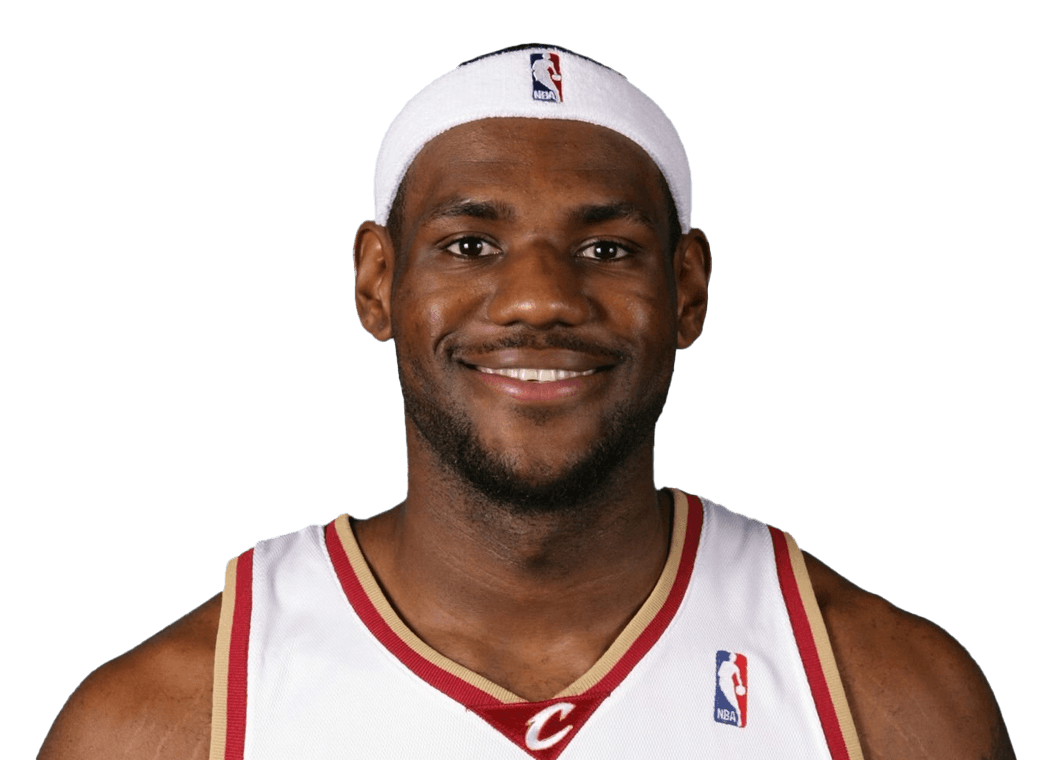
2003 — 2010 | 0 Championships
Before the move, there was the promise.
Cleveland had the star. Cleveland never got the ring.
The homegrown expectation. The franchise burden carried on shoulders that had never asked to leave. Seven seasons of hope, two MVP awards, and zero championships.
The departure mattered because the bond mattered. This was not just a player leaving a team. This was a native son walking away from an entire region's faith.
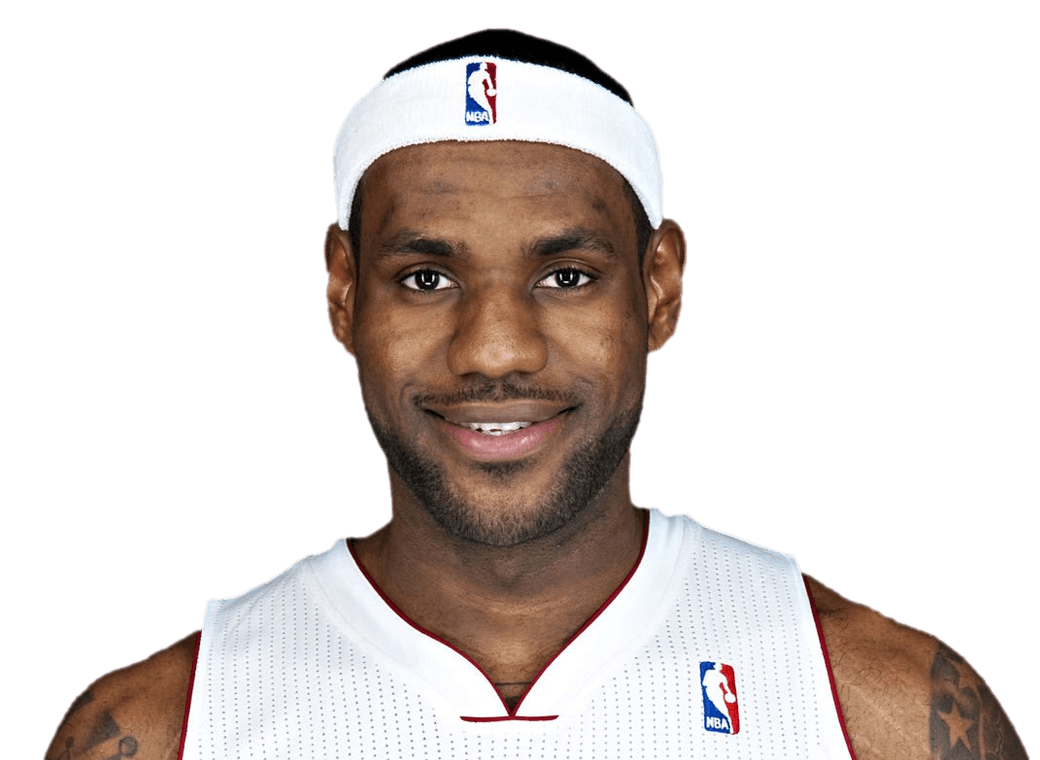
2010 — 2014 | 2 Championships
Then he took the shortcut.
The chase worked. The stain stayed.
Miami delivered the titles. It did not end the argument.
The Decision. The clearest modern ring-chase case study. Three superstars choosing each other over the harder path. The backlash was immediate. The payoff was faster.
Two championships in four years. Two Finals MVPs. The bet paid off — and the criticism never fully disappeared. Championships do not equal instant absolution.
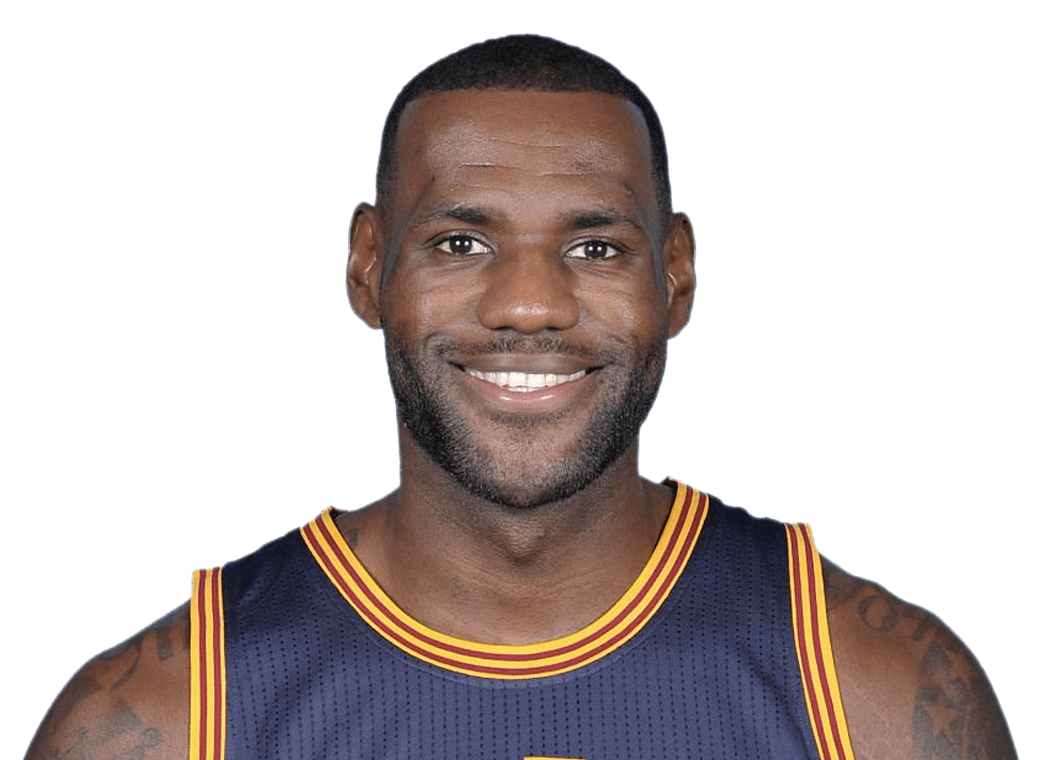
2014 — 2018 | 1 Championship
The Promise Kept
One ring changed everything.
The Miami titles proved he could win. Cleveland changed what the winning meant.
The return home. The promise finally kept. Down 3-1 against the greatest regular season team in history, then the greatest comeback in Finals history.
The Cleveland title carries different weight than the Miami titles. This was not just a championship. This was redemption made tangible.
The 2016 ring did not erase the stain of The Decision. It transformed its meaning entirely.
2018 — Present | 1 Championship
Then he did it somewhere else.
Not redemption. Not escape. Extension.
The Lakers ring did not repair the legacy. It expanded the empire.
By 2018, LeBron had already proven too much for this move to carry the same moral charge as Miami. The Lakers chapter was not about redemption or escape.
It was about portability, longevity, and scale. A championship with a third franchise. The argument for greatness no longer needed defending — it needed expanding.
Three franchises. Four titles. One legacy.
Winning a ring is not the same as winning the argument.
Some moves delivered greatness. Some delivered jewelry. Some delivered nothing.
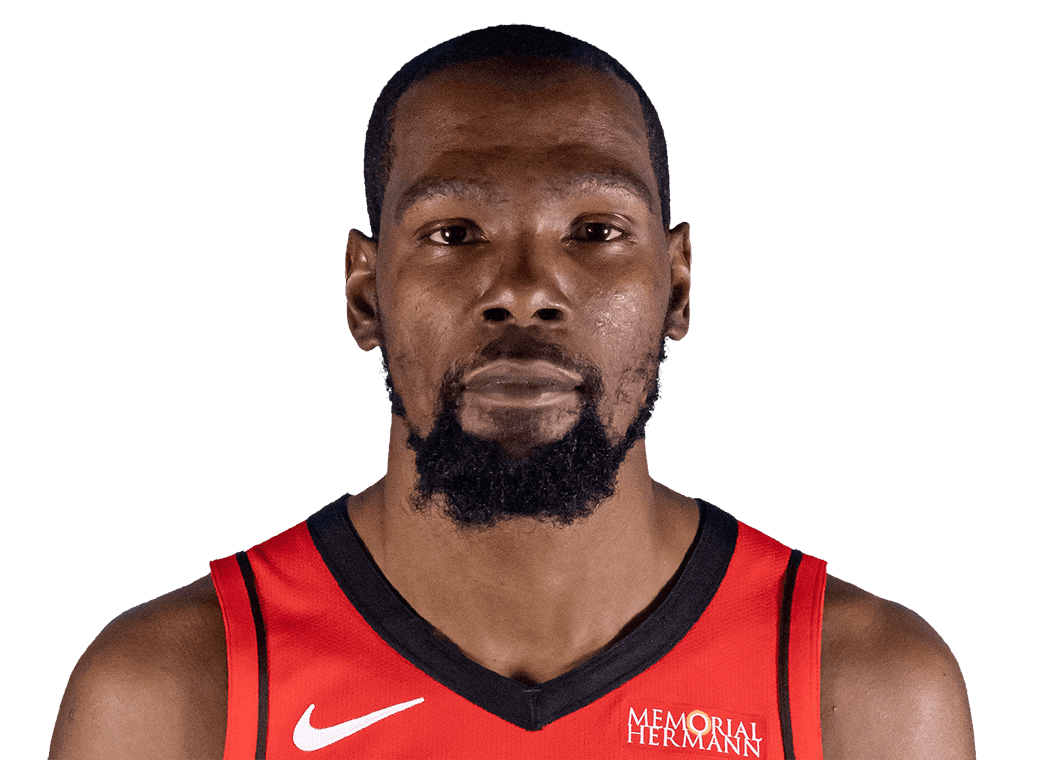
Kevin Durant
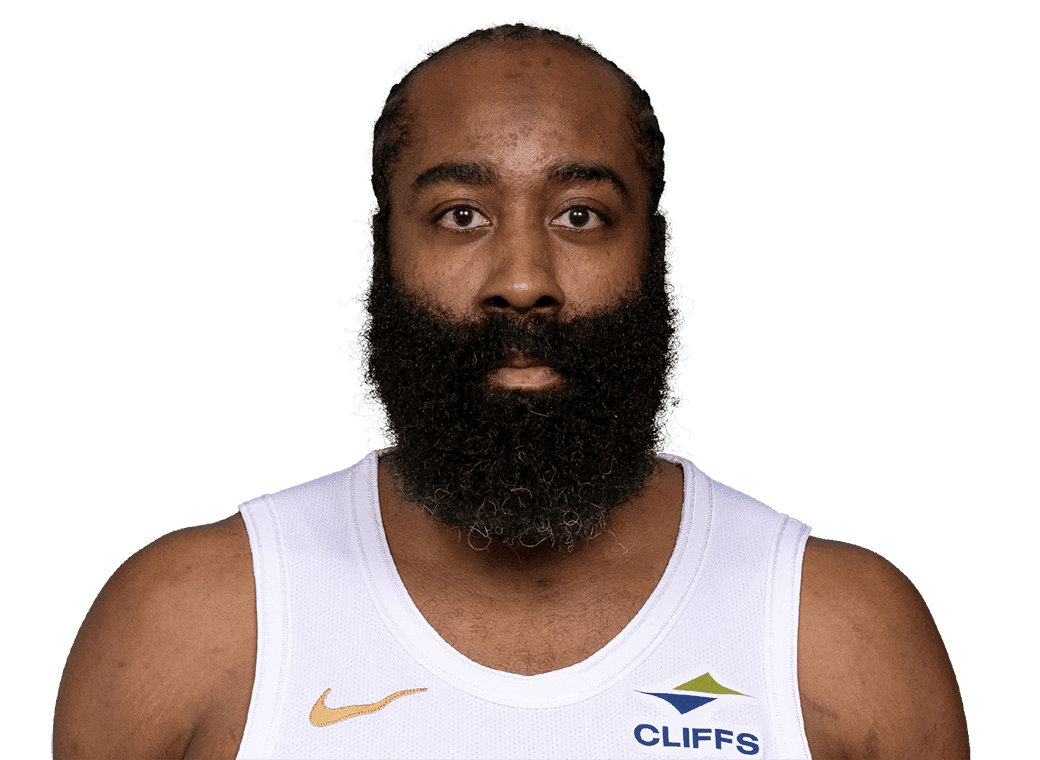
James Harden
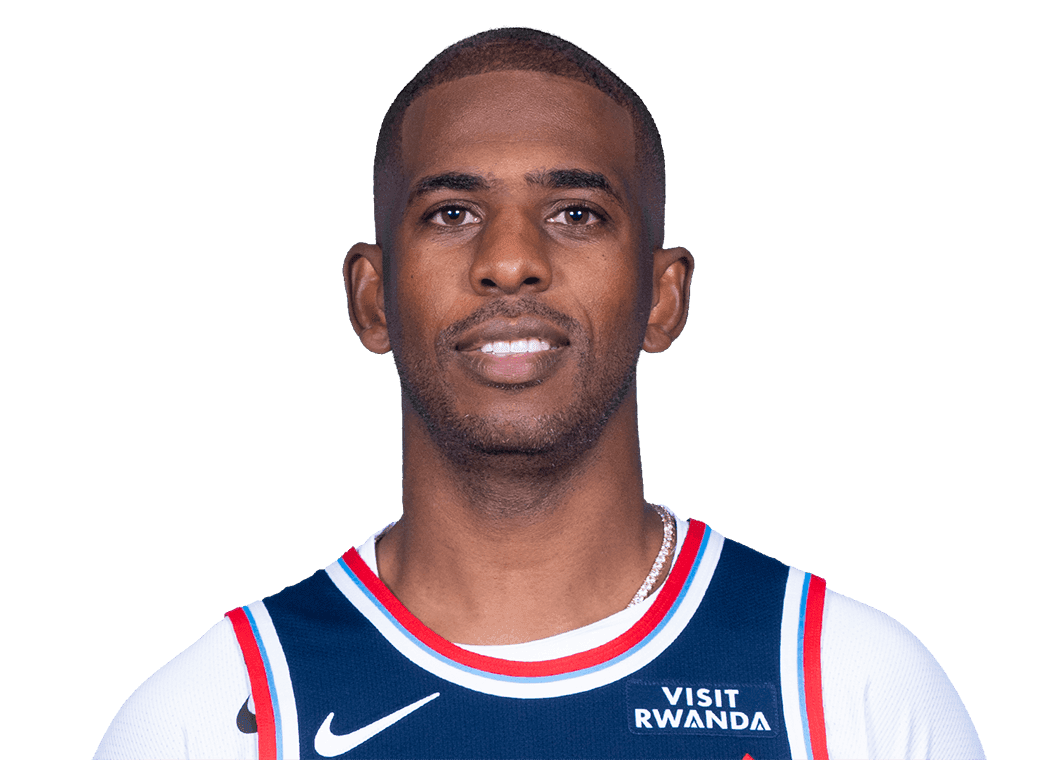
Chris Paul
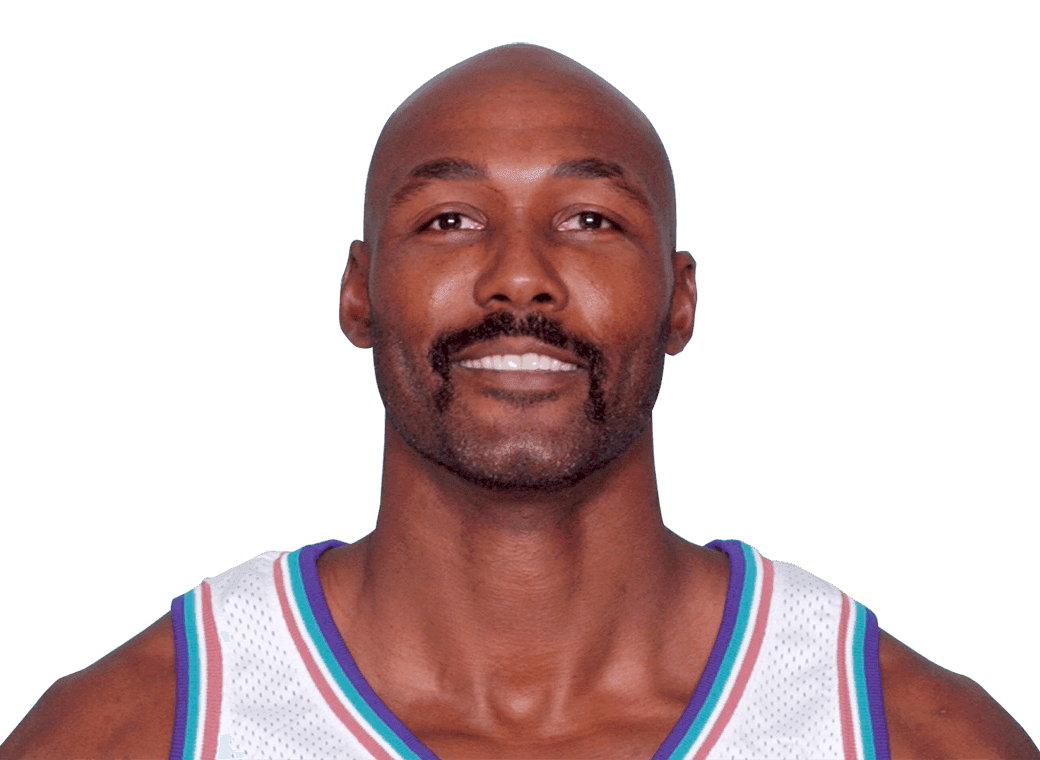
Karl Malone

Chris Bosh
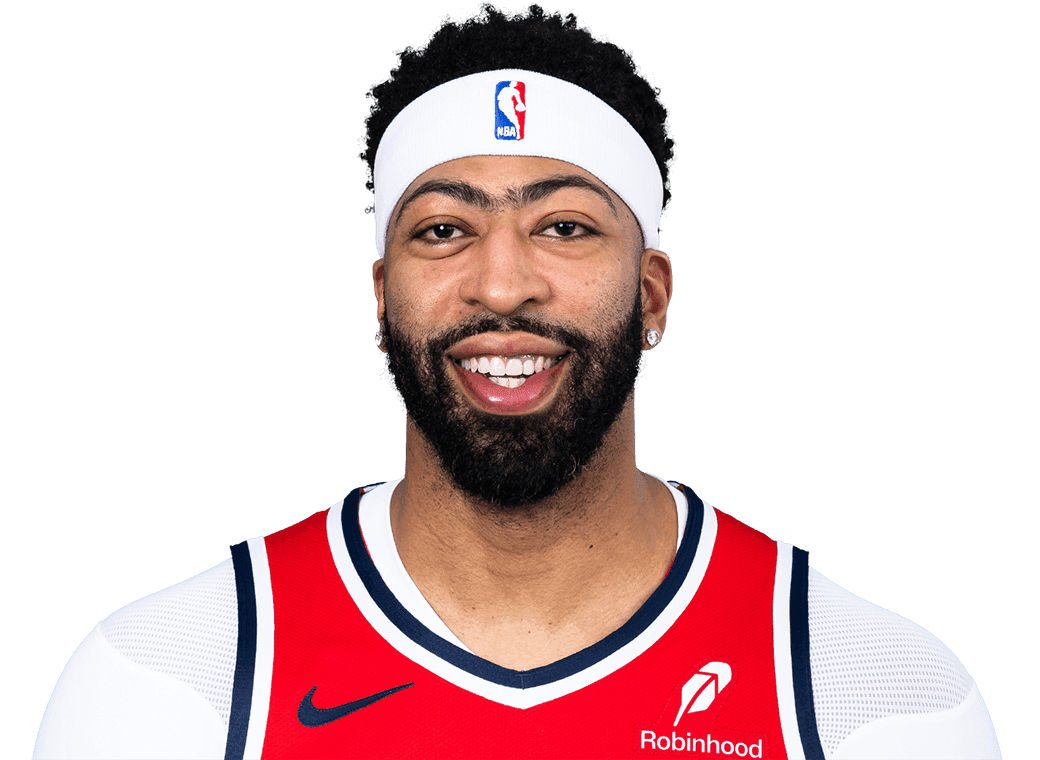
Anthony Davis


The purest payoff. The permanent asterisk.
No modern move won faster — or stayed under suspicion longer.
A 73-win team. An MVP joining the team that beat him. The largest leap in contender strength in modern history. The result was inevitable — and that was the problem.
Two championships. Two Finals MVPs. The bet paid off completely. The discourse never stopped questioning whether it counted the same way.
He got the rings. He gave up the center of the story.
A championship payoff can also reshape who a player is remembered as.
In Toronto, Bosh was the franchise. The face. The first option. In Miami, he became a crucial piece of something larger — but no longer the centerpiece.
Two rings. Undeniable success. But the trade-off was identity. From singular star to superteam constellation. The payoff was real. So was the transformation.


The force-out worked. The verdict stayed mixed.
A fast ring settles the standings. It does not always settle the legacy.
The trade demand. The public pressure. The league-wide spectacle. Davis forced his way to Los Angeles and got exactly what he wanted: a championship within two years.
The ring is undeniable. So is the ongoing debate about how it was earned. Success and skepticism can coexist.
The chase kept moving. The ring hasn't arrived, yet.
Every new contender promised the answer. None of them became it.
Houston. Brooklyn. Philadelphia. Each destination represented a new path to the championship that remained out of reach. The search continued.
An MVP. Multiple scoring titles. Elite production everywhere he went. And still no championship to show for the constant repositioning.
In February 2026, Harden approved a trade to Cleveland — a legitimate Eastern Conference contender with championship aspirations. Another chance. No payoff, yet.


One of the greatest ever. Still no ring.
The chase was real. The closure never came.
Twelve All-Star selections. Four assist titles. The Point God. Every contender window — Houston, Phoenix, Golden State — felt like the one. None of them were.
Paul's legacy remains elite. The championship ledger remains empty. Both facts are permanent.
The ending was brutal. Released by the Clippers in December 2025, traded to Toronto in February 2026, then waived by the Raptors days later — the same day he announced his retirement. A Hall of Fame career closed out in transactions, not triumph.
All-time greatness does not require a ring. But the absence is still noted.
Sometimes the last shortcut still ends empty.
The late-career chase is older than the superteam era.
Eighteen seasons in Utah. Two Finals losses. Then, at 40 years old, one last attempt: join the Lakers alongside Shaq and Kobe. The ring-chase playbook before it had a name.
The 2004 Finals. Another loss. This time to Detroit. The shortcut led nowhere. Malone retired without the championship that would have capped one of the greatest careers in history.
Ring chasing predates the modern superteam discourse. The template — and the risks — have always existed.

Not every case deserves the same weight.
Every case says something.
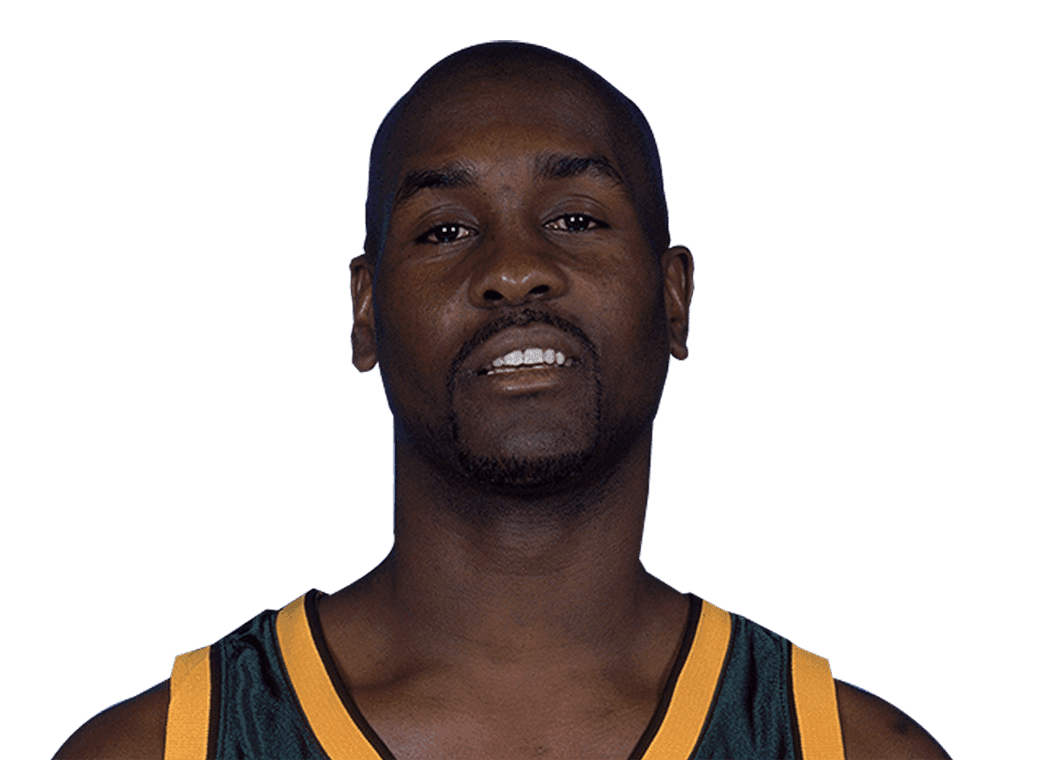
Gary Payton

“Got the ring. Not the rewrite.”
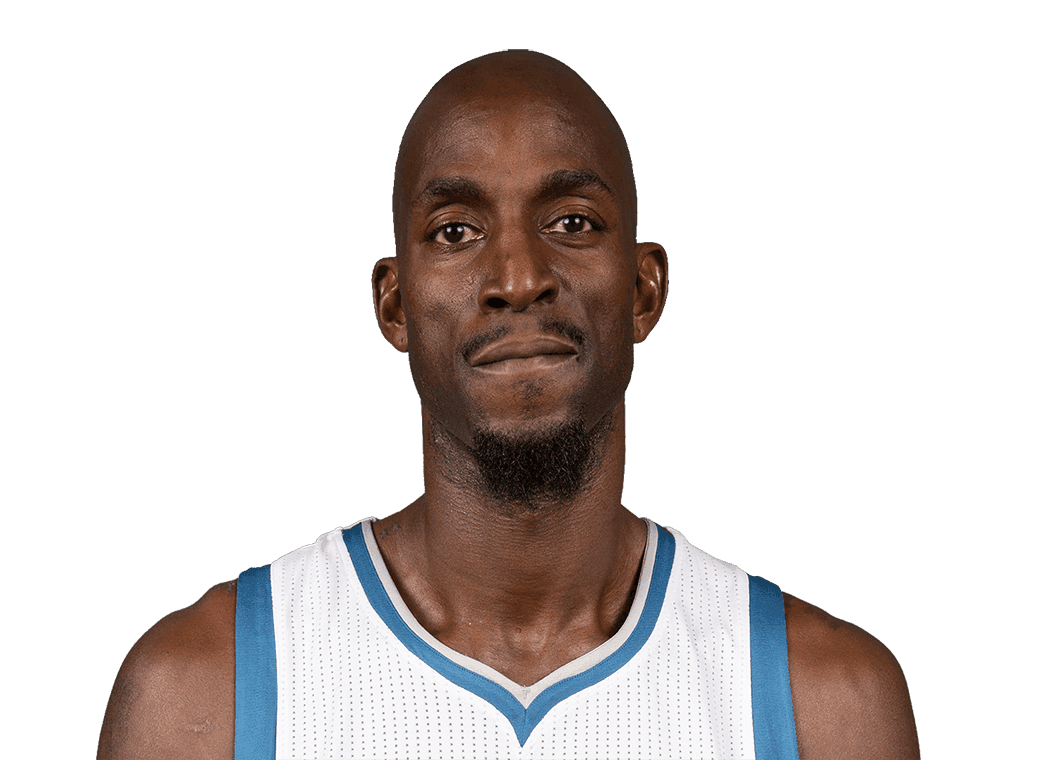
Kevin Garnett


“Escape can be justified.”

Ray Allen
“Late-career chasing plays by different rules.”

Damian Lillard

“The loyalty icon finally moved.”
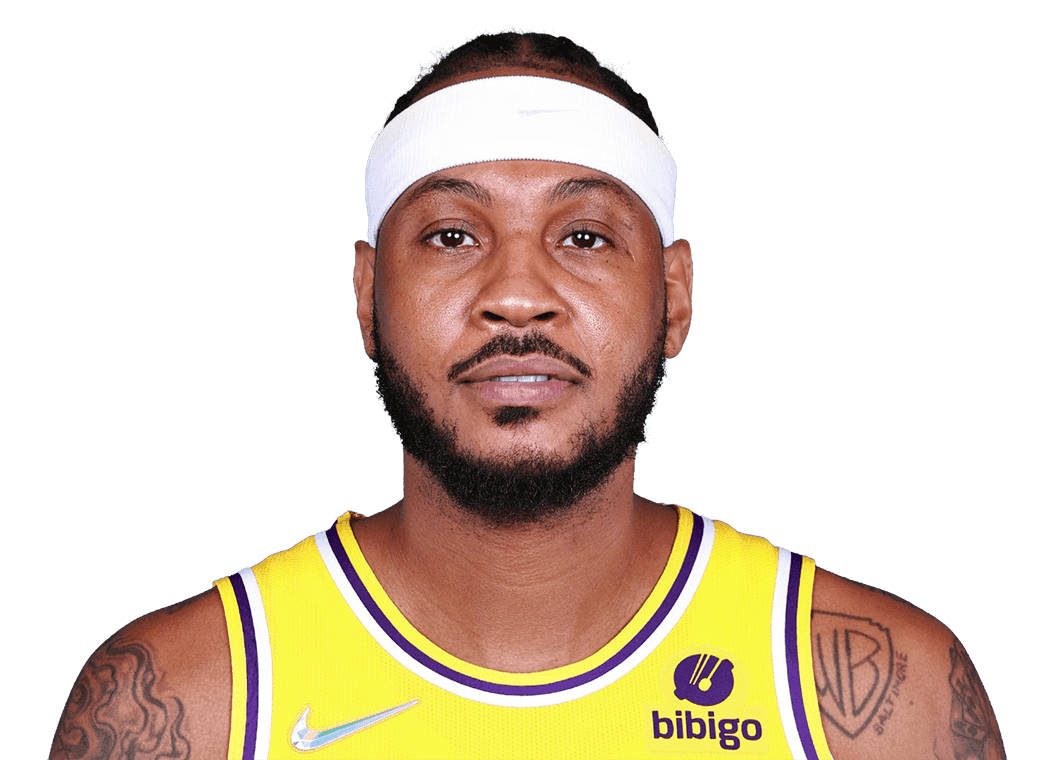
Carmelo Anthony


“The payoff never matched the narrative.”
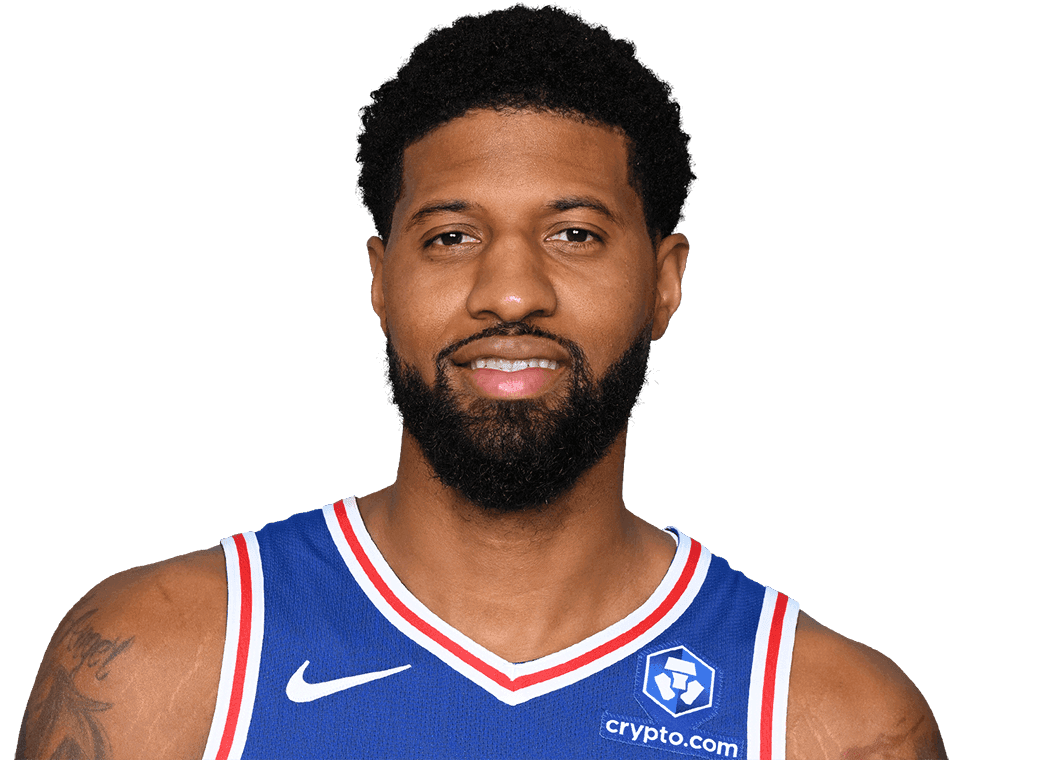
Paul George

“Contender paths without the final proof.”

Russell Westbrook

“A long search with no championship ending.”
Some rings changed everything.
Some barely changed the argument.
Lebron James
Kevin Garnett
Ray Allen
Kevin Durant
Anthony Davis
Chris Bosh
Gary Payton
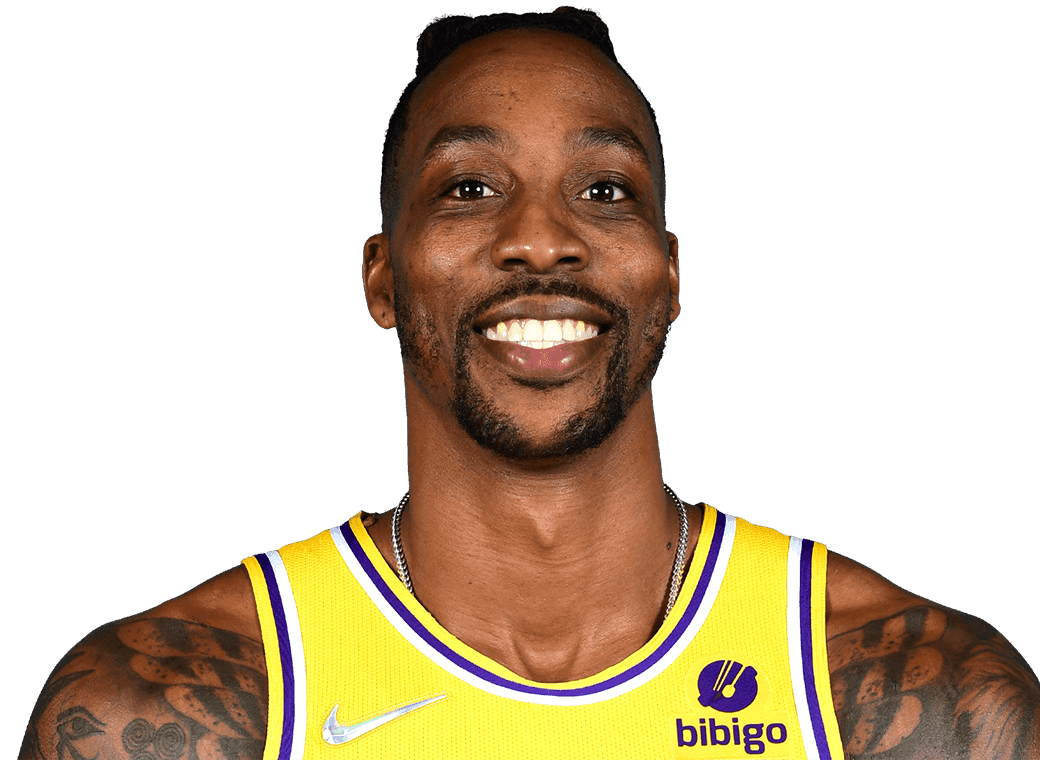
Dwight Howard
Damian Lillard
Paul George
Russell Westbrook
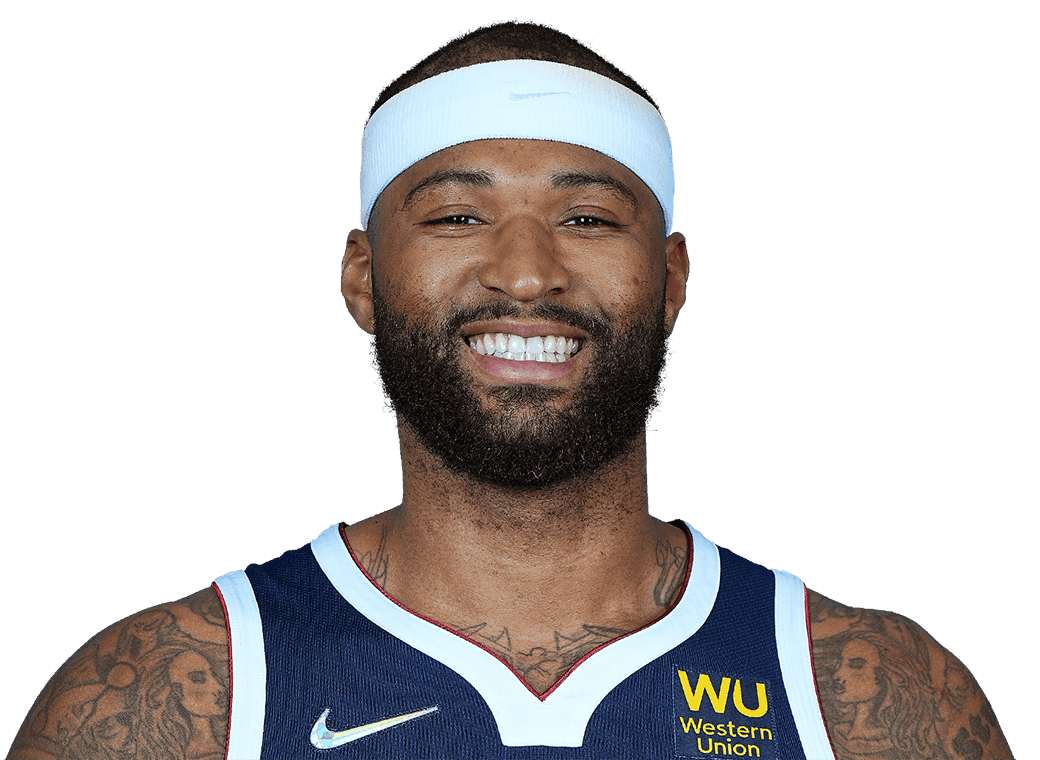
Demarcus Cousins

Lamarcus Aldridge
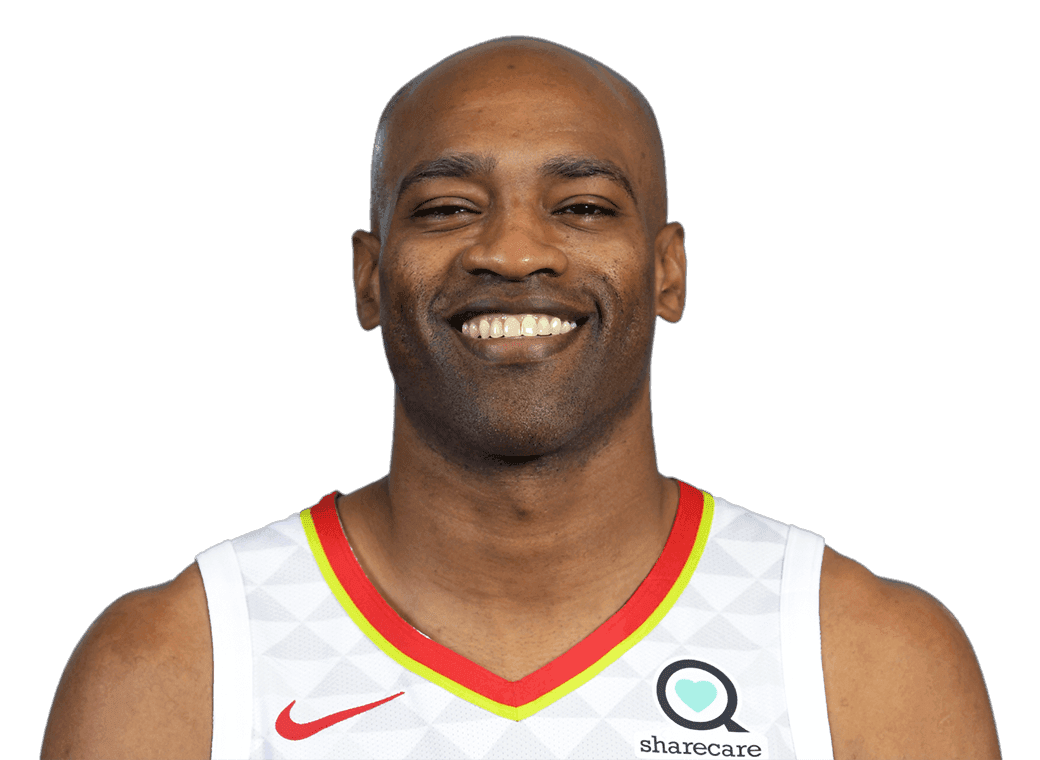
Vince Carter
James Harden
Chris Paul
Karl Malone
Carmelo Anthony
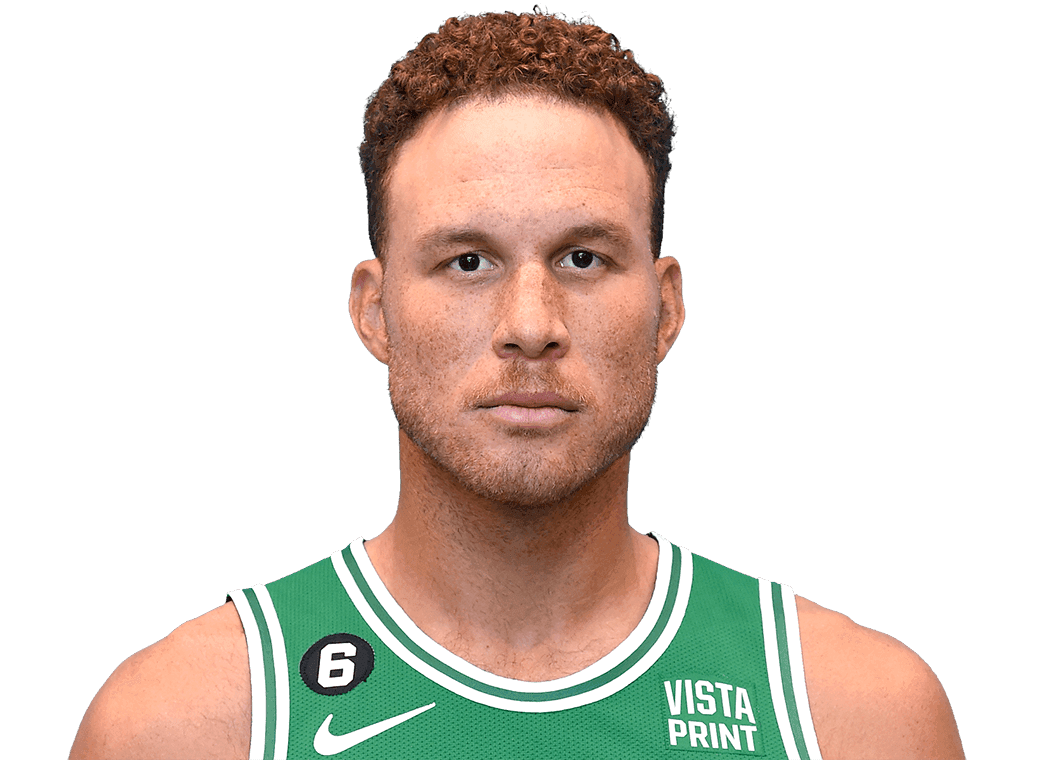
Blake Griffin
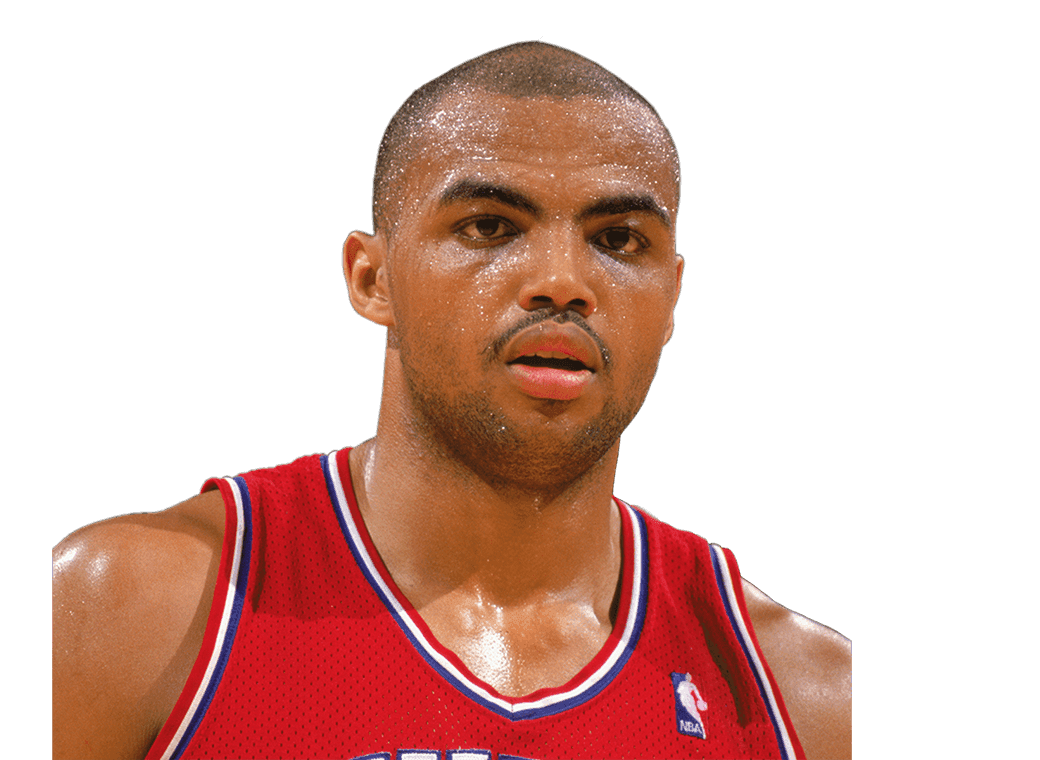
Charles Barkley
A ring can change the resume.
It does not always change the legacy.
Some players left and found greatness. Some found validation. Some found only proof that the shortcut was still not enough.
Not the final verdict. Just a case laid before the basketball gods.
Ringchasers is an editorial framework for one of basketball's most debated legacy questions.